Those First Days at Home
An honest look at postpartum, overwhelm, and becoming someone new.
POSTPARTUM
2/5/20264 min read
“I thought instinct would take over. Instead, I felt unprepared, emotional, and scared.”
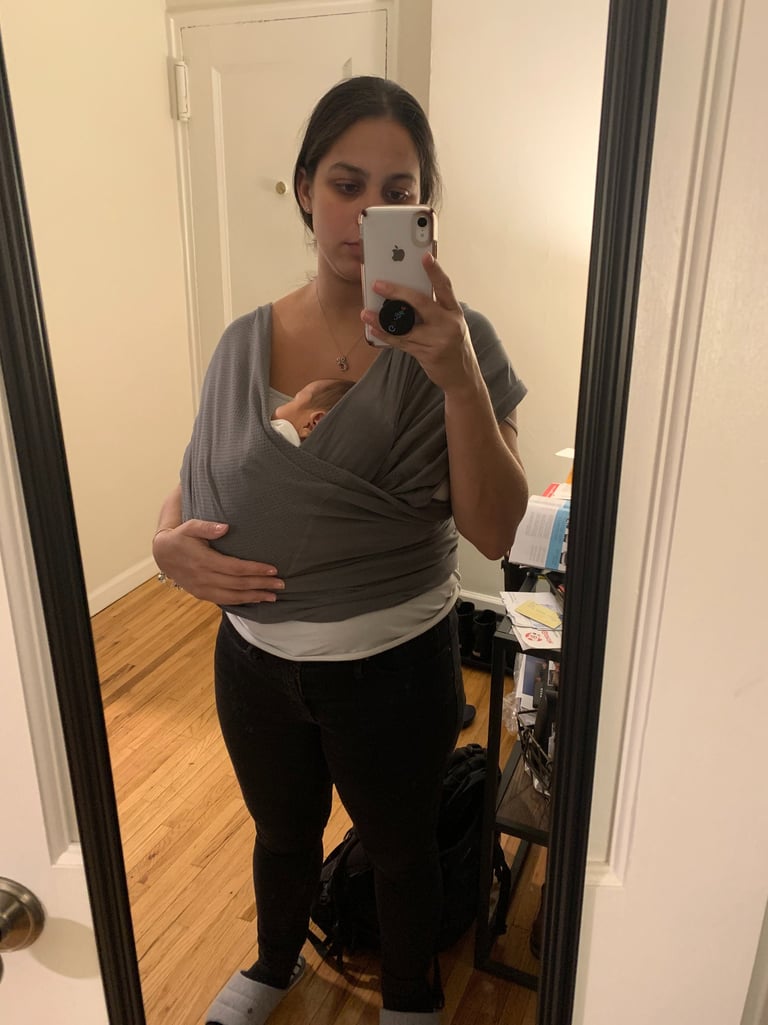
I remember walking through our front door with my baby boy in his car seat and feeling something I wasn’t expecting.
Fear.
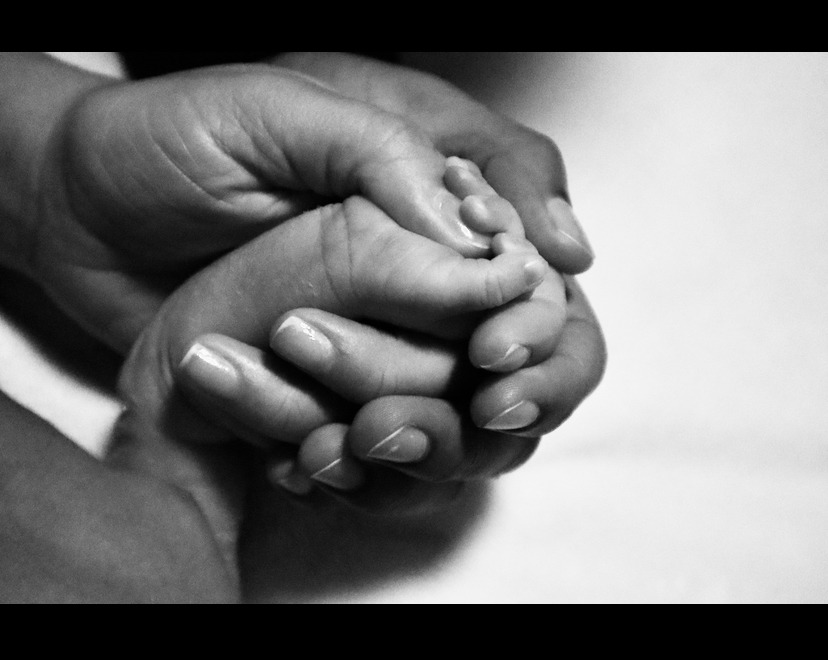
He was so small — just 6.5 pounds — and swimming in his newborn clothes. Everything we had picked out suddenly felt too big, he didn't look comfortable. I stood there holding him, looking around our house, realizing how quiet it felt.
It hit me all at once. This was it, this is our life now, we were really doing this.
I remember moving through the house slowly, setting things down, trying to get him comfortable. At some point, I noticed we still hadn’t finished everything. Little things. Important things. The kind of things you assume will be done before baby arrives.
I already felt behind, and we had just got home.
The hospital had been loud and busy and full of people. Nurses checked on us constantly. Lactation consultants came in and out, helping me try to get him to latch. They showed me how to position him, how to hold him, how to encourage him. When it still wasn’t working well, they told me about something I didn’t even know existed — donated breast milk from a milk bank. I remember feeling both relieved and defeated at the same time. Grateful that he could be fed, but crushed that my body wasn’t doing what it was supposed to do.
In the hospital, he barely cried. At home, it felt like he never stopped.
I walked the floors holding him. I bounced him. I rocked him. I whispered to him. I cried while he cried. Nothing seemed to work. Every sound felt louder in our quiet house. Every minute felt longer.
I had just had a C-section, and my body reminded me of it with every movement. Standing up hurt. Sitting down hurt. Everything hurt. You're given pain medication, but I felt guilty every time I took it. I always wondered if it would affect my baby through my milk even though the nurses told me it was safe. I questioned every decision. I was trying to heal from surgery while learning how to be a mother, and it felt impossible to do both well.
My spouse works in law enforcement, and in those early days, I was alone a lot. It was just me and a newborn who cried constantly and a body that didn’t feel like my own anymore. I spent hours on the couch holding him, Googling everything, watching the clock, counting feeds, counting diapers, counting minutes until help came home.
I cried A LOT.
Quiet tears. Exhausted tears. Tears that came out of nowhere. I cried because he wouldn’t latch. I cried because I wasn’t producing enough milk. I cried while warming the donated breast milk from the milk bank, devastated that my body wasn’t doing what I thought it was supposed to do but still amazed that this resource was available. I cried because I felt grateful. I cried because I felt broken.
The lactation nurses had been so supportive in the hospital. They stood beside me, adjusted his latch, encouraged me when I wanted to give up. But at home, latching wasn’t the problem.
It was the constant worry about whether he was getting enough.
He cried so often that I started questioning every feed. I watched the clock. I replayed moments in my head. Every cry made my stomach drop. Is he still hungry? Did I do something wrong?
I stressed constantly about my supply. I wondered if every cry meant he was still hungry. Somewhere in the middle of all of this, you realize that you've stopped taking care of yourself.
There were days I barely ate. When he finally slept, I had a choice — make myself food or close my eyes for a few minutes. I always chose sleep. The exhaustion was too consuming. My body was healing from surgery, my mind wouldn’t slow down, and rest felt more urgent than food.
I was running on empty in every way.
Sometimes the overwhelm would build so high in my chest that I couldn’t breathe.
There were moments when I had to place him gently in his bassinet, make sure he was safe, and walk away. I would step into another room and just breathe. Sometimes I cried. Sometimes I stood there shaking, trying to calm my body down before going back in.
No one tells you about the intrusive thoughts that can creep in during those moments. The scary “what ifs.” The sudden waves of panic. When that happened, I learned to put him down safely and walk away until I could catch my breath. It didn’t mean I loved him any less. It meant I was protecting both of us.
I worried constantly.
Was he getting enough?
Was I doing this wrong?
Why did this seem so much easier for everyone else?
I didn’t recognize it at the time, but this is how postpartum depression can begin — quietly. Not always with dramatic sadness, but with overwhelm. With guilt. With feeling completely lost inside your own life.
No one really prepares you for the moment you come home.
We prepare for birth. We pack hospital bags. We buy tiny clothes and blankets and take photos. But no one tells you about the shock of going from constant support to sudden silence. About how your baby might cry more at home. About how hard it is to care for a newborn while recovering from surgery. About how heavy it feels when feeding doesn’t come naturally.
I thought instinct would take over. Instead, I felt unprepared, emotional, and scared.
Looking back now, I see it differently. I wasn’t failing. I was learning in real time. I was healing. I was becoming someone new while running on no sleep and carrying more feelings than I knew what to do with.
If you’re reading this while holding your baby, feeling overwhelmed by the crying, the feeding, the uncertainty — I want you to know something.
You're not broken.
You're not behind.
You're in the middle one of the biggest transitions of your life.
Take it one feed at a time. One nap at a time. One breath at a time.
Even when it doesn’t feel like it, you are doing better than you think. 🤍